By
By 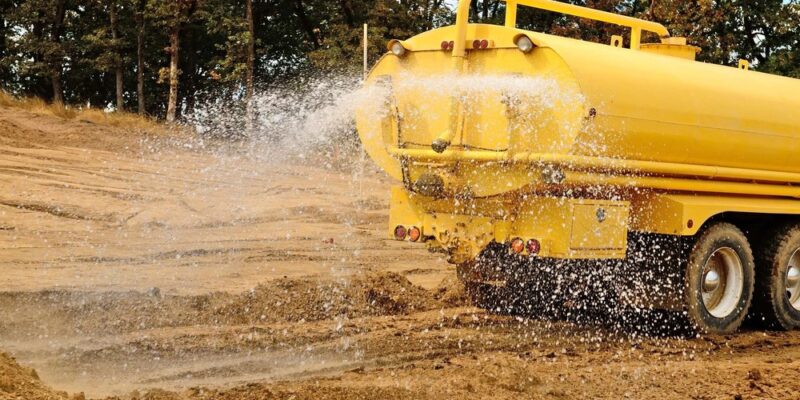
Why Water Trucks Are More Essential Than Most People Realize
Water trucks are one of those pieces of equipment that often go unnoticed until you actually need one. They are not as flashy as excavators or cranes, but their role is just as important on many job sites. From construction projects to agricultural operations, they quietly support work that would otherwise slow down or stop.
At their core, water trucks are designed to transport and distribute large volumes of water. This can serve a wide range of purposes, from dust control to soil compaction and even emergency water supply. Their versatility is what makes them such a valuable asset across industries.
Many companies rely on flexible access to these vehicles instead of owning them outright. This is where rental options become practical, especially for short-term or seasonal projects. The ability to scale usage up or down makes a noticeable difference in project efficiency.
The Everyday Roles Water Trucks Play on Job Sites
One of the most common uses for water trucks is dust suppression. Construction sites, mining operations, and roadwork areas often generate large amounts of airborne dust. Without control measures, this can create safety hazards and environmental concerns.
Water trucks help reduce these issues by spraying controlled amounts of water over surfaces. This keeps dust particles grounded and improves visibility for workers. It also helps maintain compliance with environmental regulations in many regions.
Beyond dust control, water trucks are used for soil conditioning. Moisture is often needed before grading or compaction work can begin. By evenly distributing water, these trucks help create stable working conditions for heavy machinery.
How Water Truck Rentals Work in Practice
Renting a water truck is a straightforward process, but understanding the details helps you make better decisions. Most providers offer different truck sizes and configurations depending on project needs. This flexibility allows contractors to choose equipment that matches the scale of their work.
A typical rental includes the vehicle, and sometimes an operator depending on the agreement. The duration can range from a single day to several months. This makes it suitable for both short-term tasks and longer construction phases.
The appeal of renting rather than owning is cost efficiency. Purchasing and maintaining heavy equipment requires significant investment. Rental options allow companies to access the same capabilities without long-term financial commitments.
What to Expect When Renting a Water Truck
When you arrange a water truck rental, the first step usually involves assessing your project requirements. Factors like water capacity, terrain, and usage frequency all play a role in selecting the right truck. This ensures the equipment matches the job demands.
Once the truck is delivered, operators typically perform a quick inspection. This includes checking tank levels, spray systems, and safety features. Proper setup is important to ensure smooth operation throughout the rental period.
Some providers also offer support during the rental. This can include maintenance, refilling services, or troubleshooting if issues arise. Having this support reduces downtime and keeps projects on schedule.
Key Industries That Depend on Water Truck Services
Water trucks are used across a surprising range of industries. Construction is the most obvious, but agriculture, mining, and even event management also rely on them. Each industry uses water in slightly different ways, depending on its needs.
In construction, water trucks are essential for site preparation and dust control. In agriculture, they can support irrigation in areas where water access is limited. Mining operations often use them to manage dust and maintain safe working environments.
Even large outdoor events sometimes require water trucks for dust suppression or sanitation support. Their adaptability makes them a valuable resource in both industrial and temporary settings.
Construction and Infrastructure Projects
Construction sites are among the heaviest users of water trucks. Earthmoving activities generate dust and require moisture control to maintain safe working conditions. Water trucks help manage both of these challenges efficiently.
They are also used during road construction. Water helps compact soil and prepare surfaces for paving. Without proper moisture levels, the structural integrity of the road can be compromised.
In large infrastructure projects, water trucks often work alongside other heavy equipment. Their role may seem secondary, but it directly supports the productivity of the entire site. This makes them an essential part of project planning.
Choosing the Right Water Truck for Your Needs
Not all water trucks are the same, and selecting the right one depends on your specific requirements. Capacity, pump type, and spray system design all influence performance. Understanding these differences helps you avoid inefficiencies on site.
Smaller trucks are often used for light-duty applications or tight workspaces. Larger models are better suited for extensive construction or mining operations. Matching size to workload is key to maintaining efficiency.
Another important factor is maneuverability. Some job sites have limited access, which requires more compact or specialized vehicles. In these cases, flexibility becomes just as important as capacity.
Capacity and Performance Considerations
Tank capacity is one of the first specifications to evaluate. Larger tanks reduce the number of trips needed for refilling, which can save time. However, they may also require more space and stronger access routes.
Pump systems also vary between models. Some offer high-pressure spraying for dust control, while others focus on even distribution for soil work. Choosing the right system ensures the water is applied effectively.
It is also important to consider fuel efficiency. Water trucks operate under demanding conditions, and fuel consumption can impact overall project costs. Efficient models help reduce operational expenses over time.
Benefits of Renting Instead of Owning
For many companies, renting is more practical than owning. This is especially true for businesses that only need water trucks occasionally. Rental arrangements provide access without the burden of maintenance or storage.
Owning heavy equipment involves ongoing costs such as repairs, inspections, and depreciation. These expenses can add up quickly, even when the equipment is not in use. Renting eliminates many of these long-term financial obligations.
Flexibility is another major advantage. Projects can scale up or down without being limited by equipment ownership. This adaptability is especially useful in industries with fluctuating workloads.
Financial and Operational Flexibility
From a financial perspective, renting allows businesses to allocate resources more efficiently. Instead of investing heavily in equipment, funds can be directed toward other project needs. This improves overall cash flow management.
Operationally, rental agreements often include access to newer equipment. This means better performance and fewer mechanical issues. Modern trucks are also more likely to meet updated safety and environmental standards.
This combination of cost control and performance makes renting an attractive option. It allows companies to stay competitive without taking on unnecessary financial risk.
Planning and Logistics for Water Truck Use
Successful use of water trucks requires proper planning. It is not just about having the equipment available, but also about using it effectively. Scheduling, routing, and water supply logistics all need to be considered.
On larger sites, coordination between different teams is essential. Water trucks often operate alongside graders, loaders, and other machinery. Clear communication helps prevent delays and inefficiencies.
Weather conditions can also influence planning. Hot and dry environments may require more frequent water application. Adjusting schedules accordingly helps maintain consistent working conditions.
Coordinating Equipment on Active Sites
On busy job sites, coordination is key. Water trucks need to operate in sync with other equipment to avoid disruptions. This requires clear communication between operators and site managers.
Timing is especially important during dust control operations. Water must be applied before dust levels become too high. This proactive approach helps maintain safety and visibility.
Proper coordination also reduces wasted effort. Overlapping tasks or poorly timed operations can lead to inefficiencies. A well-planned schedule keeps everything running smoothly.
Making the Most of Rental Services
To get the best results from a water truck rental, preparation is essential. Understanding your project requirements in advance helps you choose the right equipment. It also reduces delays during setup.
Clear communication with the rental provider is equally important. Providing details about site conditions and expected usage helps ensure the right truck is delivered. This improves overall efficiency from the start.
Regular monitoring during the rental period helps maintain performance. Checking water levels, spray systems, and general operation ensures everything runs as expected. Small adjustments can prevent larger issues later on.
Maximizing Efficiency on the Job Site
Efficiency comes from using equipment correctly and consistently. Water trucks perform best when they are integrated into a broader workflow. This includes timing applications and coordinating with other machinery.
Training operators also plays a role. Even experienced workers benefit from understanding specific equipment features. Proper use reduces wear and improves results.
When managed well, services like water truck rental can significantly improve project outcomes. They provide the flexibility and support needed to keep operations moving without unnecessary interruptions.