By
By 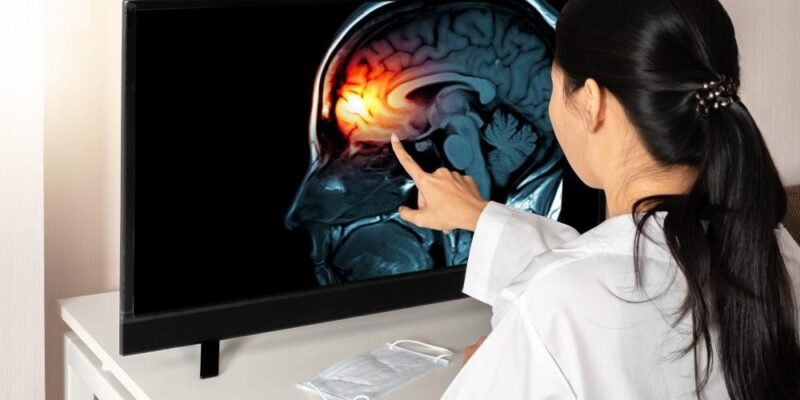
A blow to the head can change everything in an instant. What makes brain injuries especially challenging is that the effects are not always immediately visible. Someone may look fine on the outside while experiencing significant changes in how they think, feel, or function.
The brain controls nearly every part of the body, which means even a small injury can have wide-reaching consequences. Memory, movement, mood, and decision-making can all be affected in different ways. This complexity is what makes recovery less predictable than many other types of injuries.
Another factor is how differently each person responds. Two people with similar injuries may have very different outcomes. This variability makes diagnosis, care, and long-term support more nuanced than a one-size-fits-all approach.
What Happens Inside the Brain After Injury
When the brain experiences trauma, it can be affected in both direct and indirect ways. A direct impact may cause bruising or bleeding, while secondary effects can develop over time due to swelling or reduced oxygen flow. These changes can disrupt how brain cells communicate.
Inflammation is another key factor. While it is part of the body’s natural response, excessive inflammation can lead to further damage. This is why early medical attention is so important.
Recovery depends on how well the brain can adapt and reorganize. This process, often referred to as neuroplasticity, allows other parts of the brain to take over lost functions. Supporting this process is a central goal of care.
Early Medical Care and Immediate Priorities
The first stage of care focuses on stabilizing the patient. This includes ensuring proper breathing, maintaining blood flow to the brain, and preventing further injury. Quick action during this phase can have a significant impact on long-term outcomes.
Doctors often use imaging tools to assess the extent of the injury. Scans help identify issues like bleeding, swelling, or fractures. This information guides the next steps in treatment.
In more severe cases, surgery may be required. Removing blood clots or relieving pressure can help protect the brain from additional damage. These interventions are often time-sensitive and carefully managed.
Monitoring and Managing Critical Symptoms
After the initial response, close monitoring becomes essential. Changes in consciousness, pupil response, or vital signs can indicate shifts in the patient’s condition. Medical teams track these indicators closely.
Medications may be used to control pain, reduce swelling, or prevent seizures. Each treatment is chosen based on the specific needs of the patient. Adjustments are made as the situation evolves.
This stage requires careful coordination. Every decision is aimed at minimizing further harm and supporting the body’s natural healing processes.
Rehabilitation and the Road to Recovery
Recovery does not end once the immediate danger has passed. Rehabilitation is often a long and gradual process that focuses on regaining lost abilities. It may involve physical therapy, occupational therapy, and speech therapy.
Each type of therapy addresses a different aspect of recovery. Physical therapy helps restore movement and strength, while occupational therapy focuses on daily activities. Speech therapy can assist with communication and cognitive skills.
Progress can be slow, and setbacks are not uncommon. Patience and consistency are key during this phase. Over time, many individuals regain important functions and improve their quality of life.
Personalized Approaches to Traumatic Brain Injury Treatment
No two recovery plans are exactly the same. Traumatic brain injury treatment is tailored to the individual, taking into account the severity of the injury and the specific challenges faced. This personalized approach helps maximize results.
Therapists often set small, achievable goals. These milestones provide a sense of progress and help maintain motivation. Even minor improvements can have a meaningful impact on daily life.
Family involvement is also important. Support from loved ones can make a significant difference in both emotional and physical recovery. It creates a more encouraging environment for healing.
Cognitive and Emotional Changes After Injury
Brain injuries do not only affect physical abilities. They can also influence how a person thinks and feels. Memory problems, difficulty concentrating, and slower processing are common challenges.
Emotional changes are also possible. Some individuals experience mood swings, anxiety, or depression. These changes can be difficult to manage, especially when combined with physical limitations.
Understanding these effects is an important part of recovery. Recognizing that they are part of the injury, not personal shortcomings, can help reduce frustration.
Strategies for Managing Daily Challenges
Adapting to these changes often involves developing new strategies. Using reminders, creating structured routines, and simplifying tasks can make daily life more manageable. These tools help compensate for cognitive difficulties.
Therapy can also provide support. Cognitive rehabilitation focuses on improving thinking skills and finding ways to work around limitations. This type of care is an important part of the overall recovery process.
Emotional support should not be overlooked. Counseling or support groups can help individuals and families navigate the challenges that come with recovery.
Long-Term Outlook and Ongoing Care
The long-term effects of a brain injury vary widely. Some people recover fully, while others continue to experience lasting challenges. The outcome depends on factors such as the severity of the injury and the effectiveness of treatment.
Ongoing care may be needed to manage symptoms and maintain progress. Regular checkups, therapy sessions, and lifestyle adjustments all play a role. Staying engaged in the recovery process helps support long-term health.
It is also important to recognize that recovery can continue for years. Improvements may happen gradually, even after the initial stages of rehabilitation. This long-term perspective is essential for setting realistic expectations.
Building a Supportive Environment for Recovery
A supportive environment can make a significant difference. This includes not only medical care but also the physical and social surroundings. Creating a space that is safe and accessible helps reduce stress.
Family and community support are equally important. Encouragement, understanding, and patience all contribute to a positive recovery experience. These elements help individuals feel more confident as they regain independence.
Education also plays a role. Learning about brain injuries and their effects helps everyone involved better understand what to expect. This knowledge supports more effective care and communication.
Advances in Research and Future Directions
Research in brain injury care continues to evolve. Scientists are exploring new treatments, technologies, and rehabilitation methods. These advancements offer hope for improved outcomes in the future.
Innovations such as advanced imaging and targeted therapies are helping doctors better understand how the brain heals. This knowledge is leading to more precise and effective interventions.
There is also growing interest in the role of lifestyle factors. Nutrition, exercise, and sleep are being studied for their impact on recovery. These areas may play a larger role in treatment plans moving forward.
Staying Informed and Open to New Approaches
For patients and families, staying informed can be empowering. New information and techniques continue to emerge, offering additional options for care. Being open to these developments can support better outcomes.
At the same time, it is important to rely on trusted medical guidance. Not all new approaches are suitable for every situation. Working closely with healthcare providers helps ensure safe and effective decisions.
In the end, recovery from a brain injury is a journey. It requires time, effort, and support, but progress is possible. With the right care and a thoughtful approach, individuals can rebuild their lives and move forward with confidence.