By
By 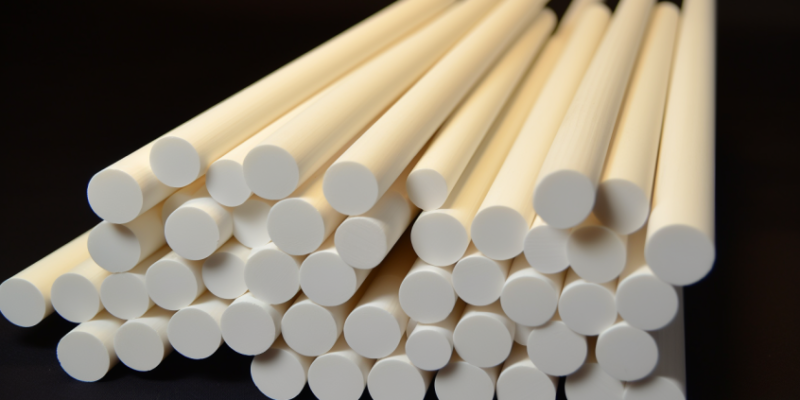
In the sophisticated world of material science, there exists a quiet titan that anchors the most demanding sectors of modern industry. While titanium and carbon fiber often capture the public imagination, the alumina rod remains the unsung hero of high-performance engineering. Derived from aluminum oxide, this ceramic component offers a combination of thermal resilience and mechanical hardness that borders on the extraordinary.
Whether it is maintaining the structural integrity of a jet engine at 30,000 feet or serving as the silent insulator within a high-speed semiconductor, alumina is a material that thrives where others fail. Understanding the utility of an alumina rod requires a deep dive into the intersection of extreme chemistry and precision manufacturing, a landscape where the microscopic arrangement of atoms dictates the success of multi-million dollar aerospace missions.
The Chemical Foundation: Hardness by Design
The “magic” of the alumina rod begins at the molecular level. Alumina is a compound of aluminum that naturally occurs as corundum. In its crystalline form, it is one of the hardest materials known to man, ranking a 9 on the Mohs scale, surpassed only by diamonds.
This incredible hardness is paired with a melting point of approximately 2050°C (3722°F), making it nearly impervious to the thermal stresses that would melt most metals into slag. Furthermore, alumina is a premier electrical insulator and boasts a remarkable resistance to chemical corrosion. The transformation of raw aluminum oxide into a finished alumina rod leverages these traits, allowing engineers to deploy the material in environments characterized by high voltage, caustic chemicals, and searing heat.
From Bauxite to Bore: The Manufacturing Journey
Creating a high-quality alumina rod is a process of extreme refinement. It begins with the extraction of bauxite ore, which is processed via the Bayer method to produce pure, calcined aluminum oxide powder.
To form a rod, manufacturers typically use one of two advanced methods:
- Extrusion: The alumina powder is mixed with a binder to create a “green” dough, which is forced through a die to create long, uniform cylinders.
- Isostatic Pressing: For high-density applications, the powder is subjected to equal pressure from all sides within a flexible mold.
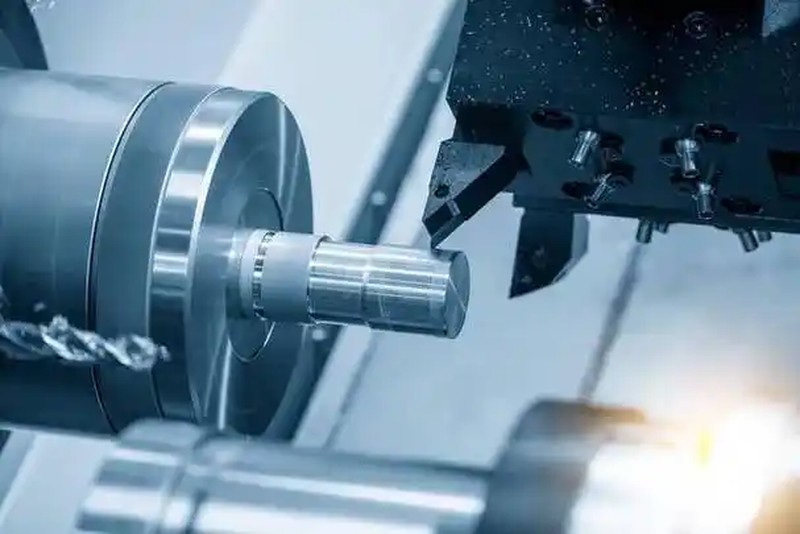
Once the “green” rods are formed, they undergo a critical phase called sintering. The rods are heated in specialized kilns to temperatures just below their melting point. This causes the individual particles to fuse at a molecular level, a process known as atomic diffusion. The result is a solid, non-porous ceramic structure. Post-sintering, the rods are often diamond-ground to achieve tolerances within microns, ensuring they fit perfectly into high-precision machinery.
A Spectrum of Strength: Types of Alumina
Alumina is not a singular material; it is a family of ceramics tailored for specific tasks. Selecting the right alumina rod depends on which phase of the material best suits the application.
- Alpha Alumina: Often called corundum, this is the most stable and common form. It is the gold standard for structural components and high-heat insulators due to its superior hardness.
- Beta Alumina: While less thermally stable than its alpha sibling, beta alumina possesses unique ionic conductivity. This makes it a specialized choice for battery technologies and solid-state sensors.
- Activated Alumina: Known for its high surface area and porosity, this version is less about structural strength and more about chemical utility, serving as a powerful desiccant and catalyst support.
For even more extreme environments, engineers utilize Zirconia Toughened Alumina (ZTA). By blending zirconia into the alumina matrix, the resulting rod gains an “internal brake” against cracks, significantly improving its fracture toughness and making it resilient to sudden mechanical shocks.
Aerospace: Elevating Performance Standards
In the aerospace industry, the alumina rod is prized for its ability to stay rigid under the crushing forces of atmospheric pressure and the intense heat of jet propulsion. Aerospace components must be both lightweight and thermally stable to ensure fuel efficiency and safety.
Alumina rods are frequently used as insulators and wear-resistant bearings within engine housings. Unlike traditional alloys that may experience “creep” (permanent deformation under high heat), alumina remains dimensionally stable. Its high rigidity provides an added layer of reliability in safety-critical systems, such as fuel sensors and hydraulic actuators. By replacing heavier metal parts with high-strength ceramic rods, aerospace engineers can shave valuable pounds off an aircraft’s total weight, directly improving its range and performance.
Electronics: The Silent Dielectric
The electronics sector is arguably the largest consumer of alumina technology. Because an alumina rod is an exceptional electrical insulator, it serves as the backbone for power device packaging and high-frequency circuitry.
In the world of semiconductors and capacitors, thermal management is the primary challenge. As devices get smaller and faster, they generate more heat. Alumina rods act as effective thermal conductors for heat dissipation while remaining electrically neutral. They are the “unsung heroes” in multi-layer ceramic capacitors, where they contribute to stable energy storage across a wide range of temperatures. Furthermore, the biocompatibility of alumina makes these rods ideal for medical electronics, such as the internal sensors used in sophisticated surgical implants.
Robotics and the Autonomous Frontier
As we move into the era of the Fourth Industrial Revolution, robotics has emerged as a new frontier for alumina applications. Robotic arms, particularly those designed for high-precision manufacturing or clean-room environments, utilize an alumina rod for its lightweight nature and extreme wear resistance.
In mechanical joints where frictional wear would quickly degrade steel or aluminum, alumina rods maintain their polished surface and structural integrity. This longevity is crucial for autonomous vehicles and intelligent robotics that must operate for thousands of hours without manual maintenance. The material’s resistance to electromagnetic interference also makes it a perfect housing for the sensitive Lidar and Radar sensors used in self-driving technology.
The Economic Edge: Durability vs. Initial Cost
A common critique of advanced ceramics is the upfront cost. However, the long-term cost-effectiveness of an alumina rod often makes it the most fiscally responsible choice.
Consider the lifecycle of an industrial component. A metal rod may be cheaper to buy, but if it requires replacement every six months due to corrosion or thermal fatigue, the “real” cost includes labor, downtime, and lost production. An alumina rod can often last five to ten times longer than its metallic counterparts. This durability translates into reduced maintenance cycles and significantly lower total cost of ownership (TCO). In an era where operational efficiency is the primary metric of success, the reliability of alumina provides a competitive advantage that pays dividends over years of service.
Sourcing Success: Size, Shape, and Material Quality
Choosing the right alumina rod for a project is a balance of geometric precision and material purity. Standard sizes are often available for routine insulating tasks, but high-stakes engineering usually requires customization.
Key Sourcing Factors:
- Purity Levels: Most industrial alumina is rated at 96%, 99%, or 99.8% purity. Higher purity levels generally offer better chemical resistance and higher dielectric strength.
- Tolerances: Depending on the application, you may require a “sintered” finish (slightly rough) or a “ground and polished” finish for high-friction environments.
- Custom Geometries: While most are cylindrical, advanced machining allows for rods with internal bores, threaded ends, or tapered profiles.
Establishing a relationship with a technical supplier is vital. A reputable manufacturer won’t just take an order; they will provide certifications of material quality and offer guidance on the specific grade of alumina required for your thermal or electrical load.
Shaping the Future with Alumina
The alumina rod is a prime example of how a fundamental material can drive high-tech innovation. From the furnace to the flight deck, its ability to withstand the “unbearable” makes it an essential tool in the modern engineer’s kit. As industries continue to push the boundaries of temperature, speed, and precision, the demand for this crystalline powerhouse will only grow.
By prioritizing quality in sourcing and understanding the specific chemical advantages of each alumina phase, businesses can future-proof their operations. Alumina is more than just a ceramic; it is a foundation for reliability. In the high-stakes world of modern industry, where every millimeter and every degree counts, the alumina rod remains the steady, silent partner that keeps the world moving forward.