By
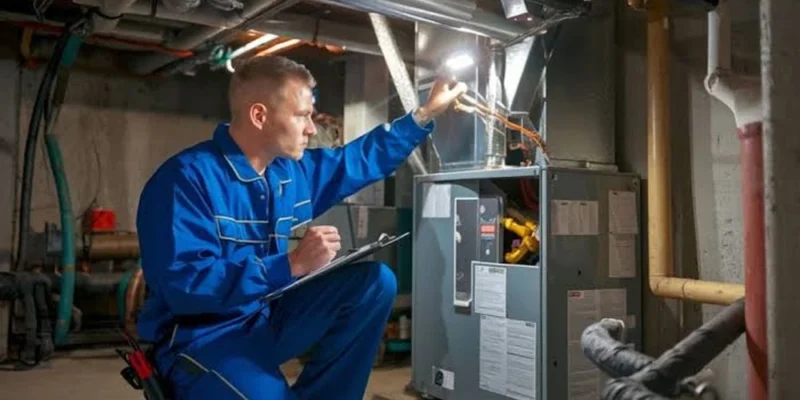
Most people call a furnace check because the heat stopped working. That is the wrong trigger. The call that matters happens in September, before the first hard freeze, while your system still runs fine and nobody is stressed about it. Waiting for a breakdown to schedule maintenance means you are paying someone to fix a problem you could have prevented for a fraction of the cost.
Here is the part that catches people: a tune-up and a safety inspection are not the same appointment. A tune-up keeps the system efficient. A safety inspection looks for the failure modes that put your family at risk. If your provider treats the two as interchangeable, you are getting half the service you think you paid for. Homeowners in the Red River Valley should specifically ask for a furnace safety inspection in Fargo, ND, and confirm what the technician actually tests, because a “seasonal check” can mean anything from a quick filter swap to a full combustion analysis.
This guide covers what a real inspection includes, the four checks most likely to be skipped, and how to prep your home so the visit is short and useful. By the end you’ll know exactly which questions to ask before anyone touches your equipment.
What a Furnace Safety Inspection Actually Covers
Think of it as three layers, working from the burning fuel outward. I call it the Fire, Flow, and Fumes framework, and it holds up whether you have an older gas furnace or a newer high-efficiency model.
Fire is the combustion side: the burners, the flame sensor, the ignition sequence, and the heat exchanger.
Flow is air, meaning the blower, the filter, and the ductwork feeding each room.
Fumes is exhaust, the flue pipe and the venting that carries carbon monoxide out of your house. If a technician only checks one layer, you are exposed on the other two.
The heat exchanger deserves its own paragraph. It is a metal shell that keeps combustion gases separate from the air you breathe, and when it cracks, those gases mix into your supply air. You cannot see a hairline crack with a flashlight from across the basement. It takes a visual inspection up close, sometimes a camera, and in older units a combustion analyzer to confirm the readings. That single component is why safety inspection and tune-up should never be bundled into one vague line item.
Three Checks That Quietly Get Skipped
Ask any technician what got skipped on their last call and you’ll hear the same themes. These are the items that get cut when someone is running behind schedule.
- Combustion analysis. A digital analyzer reads the flue gases and confirms the furnace is burning cleanly. Without the printout, nobody knows whether carbon monoxide levels are normal or creeping up.
- Flue draft verification. The vent has to pull exhaust up and out, not back into the room. A blocked or backdrafting flue is one of the more common causes of home CO exposure, and the National Fire Protection Association treats proper venting as a core part of any heating system review.
- Return air pressure check. A choked return starves the blower and makes the furnace run hot. Easy to measure, easy to forget.
None of these add much time. All three are the difference between a real inspection and a once-over.
Why Fargo Homes Get Hammered Harder
Your furnace doesn’t run the same way in North Dakota as it does in a mild climate. It can log thousands of hours a winter, cycling on and off through months of subzero nights. That duty cycle wears components faster than the national average, and the temperature swings between an indoor 70 and an outdoor negative 20 stress the heat exchanger and the venting more than most homeowners realize.
Then there’s the house itself. Older Fargo homes often have tight basements and short flue runs, and any remodeling that tightened up the envelope changes how air moves through the home. The U.S. Department of Energy notes that efficient homes need properly balanced ventilation precisely because tighter construction traps air that used to leak out. A furnace in that setup can backdraft without anyone noticing.
Your Pre-Inspection Checklist
Ten minutes of prep makes the visit faster and lets the technician spend their time on the equipment instead of hunting for access.
- Clear a three-foot zone around the furnace. Boxes, paint cans, and holiday storage all block the service panel.
- Replace the filter or have a fresh one ready. A clogged filter skews every airflow reading they take.
- Write down any odd behavior. Rumbling on startup, a yellow instead of blue flame, a smell you can’t place, or a thermostat that disagrees with the thermometer.
- Locate your carbon monoxide alarms and test them. If you don’t have one on each level and near sleeping areas, fix that this week.
- Note the furnace’s age from the data plate. Age tells the technician which failure modes to prioritize.
That last one matters more than people think. Equipment past its second decade deserves a closer look at the heat exchanger every single year, because the risk curve bends upward as units age.
What to Ask Before You Book
You don’t need to become a heating expert. You need three questions on the phone.
Ask whether the inspection includes combustion analysis with printed results. Ask whether they inspect and test the heat exchanger, not just glance at it. And ask whether they check the flue and confirm draft direction. A provider who answers all three without hesitation is running a legitimate safety process. One who deflects is selling you a filter change with a clipboard.
Where This Leaves You
Schedule the inspection before the heating season starts, not after your first cold snap panic. Confirm the technician will actually test combustion, airflow, and venting. Prep the space, log the symptoms, and keep the report they give you so next year’s visit has a baseline to compare against.
One more thing. Carbon monoxide alarms are cheap and they fail quietly, so the Environmental Protection Agency recommends testing them regularly alongside any fuel-burning appliance maintenance. Do that while you’re waiting for the technician.
If your furnace is more than a decade old and hasn’t had a real safety inspection, what’s stopping you from booking one this week?