By
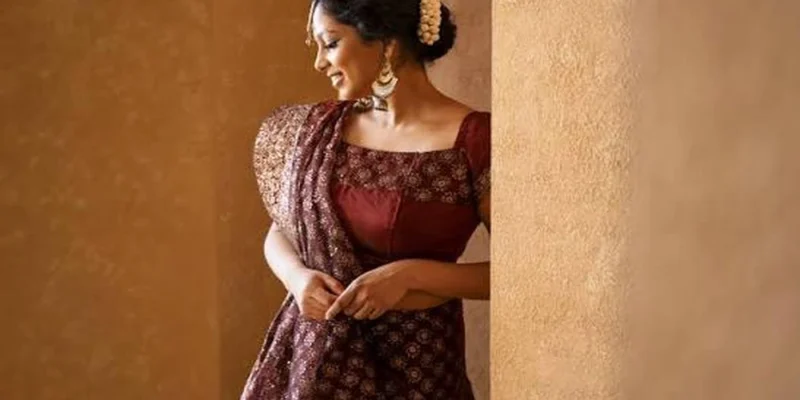
Ethnic wear earns its place when it feels easy enough to repeat. The pieces people return to are rarely the most elaborate ones; they are the kurtas, salwars, and sets that sit well, handle a full day comfortably, and work with footwear already in the wardrobe.
Ethnic Wear Style Reference
| Style | Good For | Try It With |
| Straight kurta | Work and daily wear | Trousers, leggings |
| Kurta set | Festive and family plans | Juttis, simple jewellery |
| Salwar | Comfort-led ethnic looks | Kurtas, dupattas |
| Georgette kurti | Occasions | Slim trousers, heels |
Begin With the Silhouettes You Already Enjoy
Look at the ethnic outfits you reach for most. Do you prefer a straight kurta, a relaxed salwar or a complete set? If you are shopping for White Salwars, notice the rise, fabric and leg shape rather than choosing only by colour. Familiar silhouettes are easier to combine with pieces you already own.
Let the Fabric Match the Day
Cotton is useful for long, warm days, while georgette and similar fabrics can create a dressier fall. Heavier embroidery may look beautiful but can feel uncomfortable over several hours. Choose the fabric after thinking about weather, travel and how much sitting or walking the day involves.
Check the Fit Around the Shoulder and Hip
Ethnic clothing often looks relaxed, but fit still matters. Shoulder seams should sit cleanly, side slits should not pull and trousers should allow comfortable movement. When considering Georgette Kurtis, check whether the fabric has enough room through the thigh and whether the waistband style suits you.
Build Around Repeatable Colours
A small colour base makes ethnic wear easier to mix. Cream, black, navy and earthy tones can connect with several dupattas and bottoms. Brighter pieces are useful too when they work with accessories you already have. One strong colour is easier to repeat than an outfit that depends on a very specific combination.
Try the Full Outfit Before the Event
Do not wait until the day of an occasion to discover that a hem catches on your footwear or a dupatta keeps slipping. Put on the complete outfit at home, including shoes and jewellery. Ten minutes of moving around will show what needs pinning, altering or changing.
To Wrap Up
Useful ethnic wear combines comfort with enough polish for the setting. Start with shapes you know, choose fabric for the day, check movement and build colours that mix easily. That approach gives you more outfits without needing to buy for every single occasion. Before adding another option, compare it with something you already own and ask what new job it will actually do.
FAQs
1. What should I wear to a haldi?
Something inexpensive, usually yellow or marigold in light cotton. Turmeric stains permanently, so nothing costly should go near it.
2. What works for an office festive day?
A printed cotton or rayon kurta with a plain bottom. It reads festive without looking like you dressed for a wedding.
3. Which colours work under Indian venue lighting?
Jewel tones and deeper shades. Warm indoor lighting makes them read richest, whereas pale pastels can wash out entirely after dark.
4. What should a wedding guest avoid?
Heavy red and gold at the main ceremony, and embellishment on the bride’s scale. The rule relaxes at the reception.
5. Is white a safe choice?
It reflects heat and suits daytime functions, but it shows everything. Avoid it anywhere turmeric or colour is involved.