By
By 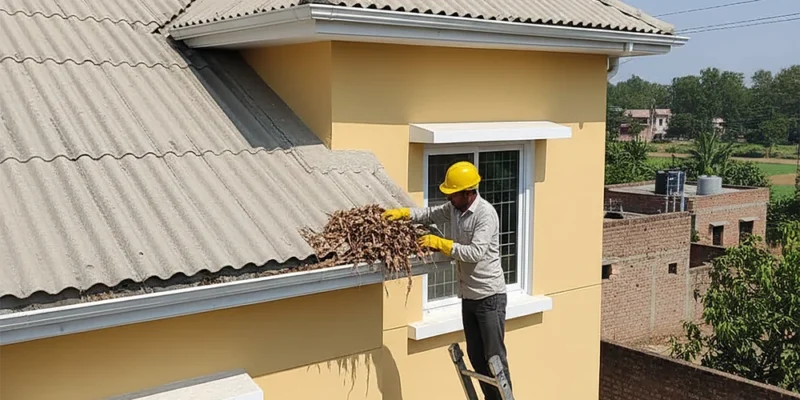
A well-maintained roof protects a property from water damage, structural deterioration, and unnecessary repair expenses. Small concerns can grow quickly when routine care is delayed, especially after severe weather or seasonal changes. Consistent attention helps extend the service life of roofing materials and supports dependable building performance.
Regular roof maintenance should include scheduled inspections, drainage checks, and timely repairs instead of waiting for visible damage. Commercial maintenance programs commonly focus on roof inspections, leak investigation, drain and gutter cleaning, repairs, and preventative care because these tasks help protect the roofing system over time.
Schedule Routine Roof Inspections
Professional inspections help identify loose materials, damaged flashing, worn sealants, and early signs of leaks before they become larger problems. Careful evaluations also reveal drainage concerns and surface wear that may not be visible from the ground. Regular inspections create a clear maintenance history that supports better repair decisions.
Check High-Risk Areas Carefully
Roof penetrations, flashing connections, edges, and drainage points deserve close attention during every inspection. These locations experience frequent water exposure and movement that can increase wear over time. Early detection reduces the chance of moisture entering the building.
Keep Drainage Systems Clear
Clean drainage systems allow rainwater to leave the roof efficiently without unnecessary pooling. Blocked drains and clogged gutters can increase moisture exposure around roofing materials and supporting structures. Regular cleaning supports reliable water flow throughout the year.
Focus On These Drainage Tasks
- Remove leaves, dirt, and loose debris from gutters and drains.
- Check downspouts for proper water flow.
- Look for standing water after heavy rainfall.
- Clear debris around roof edges and valleys.
Address Minor Repairs Without Delay
Small defects rarely remain small when exposed to changing weather conditions. Loose flashing, damaged sealants, or isolated membrane damage should receive prompt attention before water reaches the roof assembly. Timely repairs help preserve the overall condition of the roofing system.
Remove Seasonal Debris
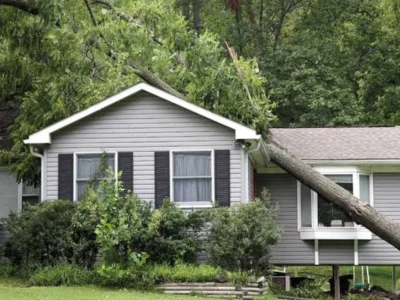
Storm cleanup should include an inspection for impact damage rather than focusing only on fallen branches. NOAA notes that hail swaths can extend up to 10 miles wide and 100 miles long during severe storms. Checking roofing materials, flashing, vents, and drainage components after hail helps uncover damage before the next rainfall.
Include These Cleaning Priorities
- Remove branches after storms.
- Clear debris from roof valleys.
- Inspect around rooftop equipment.
- Remove accumulated organic material that retains moisture.
Monitor Roof Penetrations And Flashing
Vents, skylights, mechanical equipment, and pipe penetrations require periodic inspection because movement and weather exposure gradually affect surrounding materials. Damaged flashing or deteriorated sealants may allow moisture to enter unnoticed. Careful monitoring supports long-term roof reliability.
Maintain A Preventative Maintenance Schedule
A planned schedule keeps inspections, cleaning, and repairs organized throughout the year. It also helps property owners address seasonal risks before damage develops. Clear service intervals make ongoing roof care easier to manage.
| Maintenance Task | Suggested Timing | Main Purpose |
|---|---|---|
| Professional Roof Inspection | Twice A Year | Identify damaged materials, weak seals, and early leaks |
| Drain And Gutter Cleaning | Every Season | Prevent standing water and blocked drainage |
| Flashing And Sealant Check | During Each Inspection | Protect joints, edges, and roof penetrations |
| Storm Damage Review | After Severe Weather | Find loose materials, punctures, and impact damage |
| Minor Repair Service | As Soon As Damage Appears | Stop small defects from spreading |
Service records should include inspection dates, completed repairs, and noted areas of concern. These details help contractors track changes and recommend timely work. Consistent documentation supports sound decisions throughout the roof’s service life.
Work With A Roofing Contractor Who Provides Scheduled Maintenance
A roofing contractor can inspect the system at planned intervals throughout the year. These visits help identify loose materials, blocked drains, worn sealants, and early leaks. Prompt roof maintenanceservice keeps small concerns from causing serious damage to the property.
Regular inspections and timely repairs help protect the roof through changing weather conditions. A scheduled plan also creates clear records of completed work and developing concerns. Consistent professional care supports dependable performance and a longer service life.