By
By 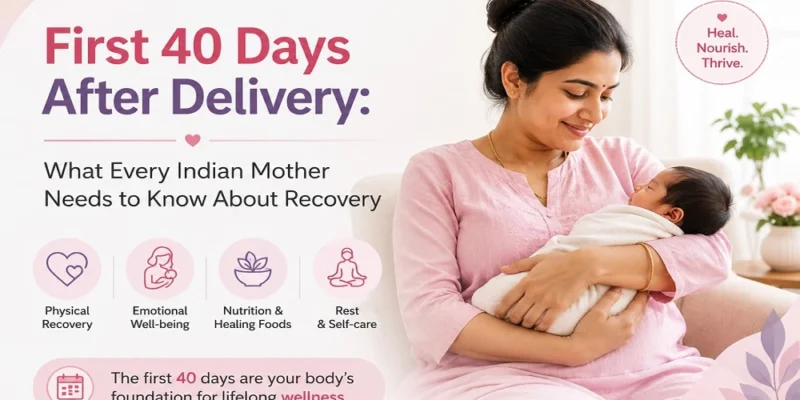
The postpartum period is a time of life that is very different from any others. For a reason, this time of the year in Indian homes, also known as sutika kaal or the postpartum window, is celebrated across generations. Your body has just performed an amazing act and now requires rest, nourishment and the proper treatment to heal in the right way. The first 40 days after childbirth are filled with changes, from the lochia to breast engorgement, sleepless nights to emotional shifts, every new mother should be ready for these changes.
One of the things that can come as a shock to new mothers is postpartum bleeding. It starts right from birth and may last from 2-6 weeks. However, during this period, many people may not realize how important it is to select the right maternity pads for the postpartum recovery period. Good post delivery pads are soft and absorbent, and don’t irritate sensitive skin, allowing mums to get a good night’s sleep without worrying about them. While some women are accustomed to using products that are used during their period, after giving birth, the flow is heavier, and it is important to be protected and comfortable.
Common Postpartum Experiences to Expect
Postpartum bleeding (lochia): This discharge starts bright red and heavy like a period, then lightens to pink, then yellowish-white over the next few weeks. This period requires use of reliable post delivery pads. Avoid using tampons or menstrual cups for the duration, as these can bring in bacteria and hinder healing.
Fatigue and body aches: Sore muscles, perineal soreness, fatigue; all totally normal. Or even if it was a C-section where you “should” be recovering from surgery instead of natural birth, your body still goes through so much and requires no less care and rest.
Change in bladder and bowel: After a vaginal delivery, many women find it temporarily hard to control their bladder. If a doctor gives the go-ahead, pelvic floor exercises that are gentle can help over time as well
Breastfeeding difficulties: The early days of breastfeeding can be difficult, with issues like engorgement and sore nipples as well as problems with getting the baby to latch on; The role of a lactation consultant or an experienced family member can make all the difference!
Here are some recovery and hygiene tips that work.
Regularly replace post delivery pads. Never let the pad become totally wet. Changing every 3-4 hours will minimize the risk of infection and will keep the area moist. The routine will be much less painful on sensitive postpartum skin with quality post delivery pads equipped with a soft top layer.
Wear loose, breathable clothing. At this moment, your friend is cotton. A tight waistband will put pressure on a healing abdomen or perineum in addition to being uncomfortable.
Foods that are easy to digest and warm. The traditional Indian postpartum diets such as khichdi, dalia, gondh ke ladoo, and warm ghee based foods are based on some logical nutritional principles. Iron-rich foods are helpful to replace the iron lost at delivery and those foods that aid milk production are particularly beneficial if you are breastfeeding.
Conclusion
Using proper post delivery pads, staying dry and clean, eating nourishing food, and letting yourself be cared for are not small acts. They add up to a recovery that is faster, safer, and far more comfortable. You brought a life into the world. The least you can do now is protect and nurture your own. This period will pass. Be gentle with yourself while it does.